Moranbah Mine


Moranbah Mine
Overview
Real-Time Solution.
Game-Changing Outcome.
Moranbah Case Study
During the planning phase for the plug and abandonment (P&A) of one of our wells, the integrity of the radius bend casing string and cement came under question. Initial, infrequent handheld gauge readings suggested that a downhole failure had occurred - leading to the scheduling of a workover rig and wireline to investigate and remediate the issue.
Traditional monitoring methods, relying on periodic manual pressure checks, can create uncertainty when diagnosing well integrity concerns. This uncertainty can lead to unnecessary mobilisation of high-cost equipment and extended downtime.
By implementing OnSpec’s low flow monitoring system, we were able to obtain continuous, high-resolution data on the well’s performance. This real-time insight confirmed the integrity of both the casing string and the cement, contradicting the initial handheld readings. Armed with reliable data, the operations team confidently eliminated the need to mobilise the workover rig and wireline unit. This simplified the P&A plan, reduced operational complexity and delivered an estimated cost saving of $700,000.
Context
A Queensland based operator was planning to decommission a large number of legacy appraisal wells. As part of the front end engineering a detailed analysis of well history was conducted to plan the abandonments of the wells, including review of well inspection records to identify any well integrity issues that would impact abandonment operations. During this analysis several wells were identified as having potential casing and cement failures, based on handheld gauge readings of wellhead pressures.
Challenges
The operator had limited data that could be used to assess well barrier health prior to abandonment, with few wells having cased hole logging data and nil SCADA related data. Decisions on cased hole logging and potential well remediation prior to abandonment was primarily based on single reads of annular pressure using a handheld crystal gauge, which provided no information on flow rates and composition when pressure was detected, and made calculation of thermally induced pressure very difficult.
Solutions
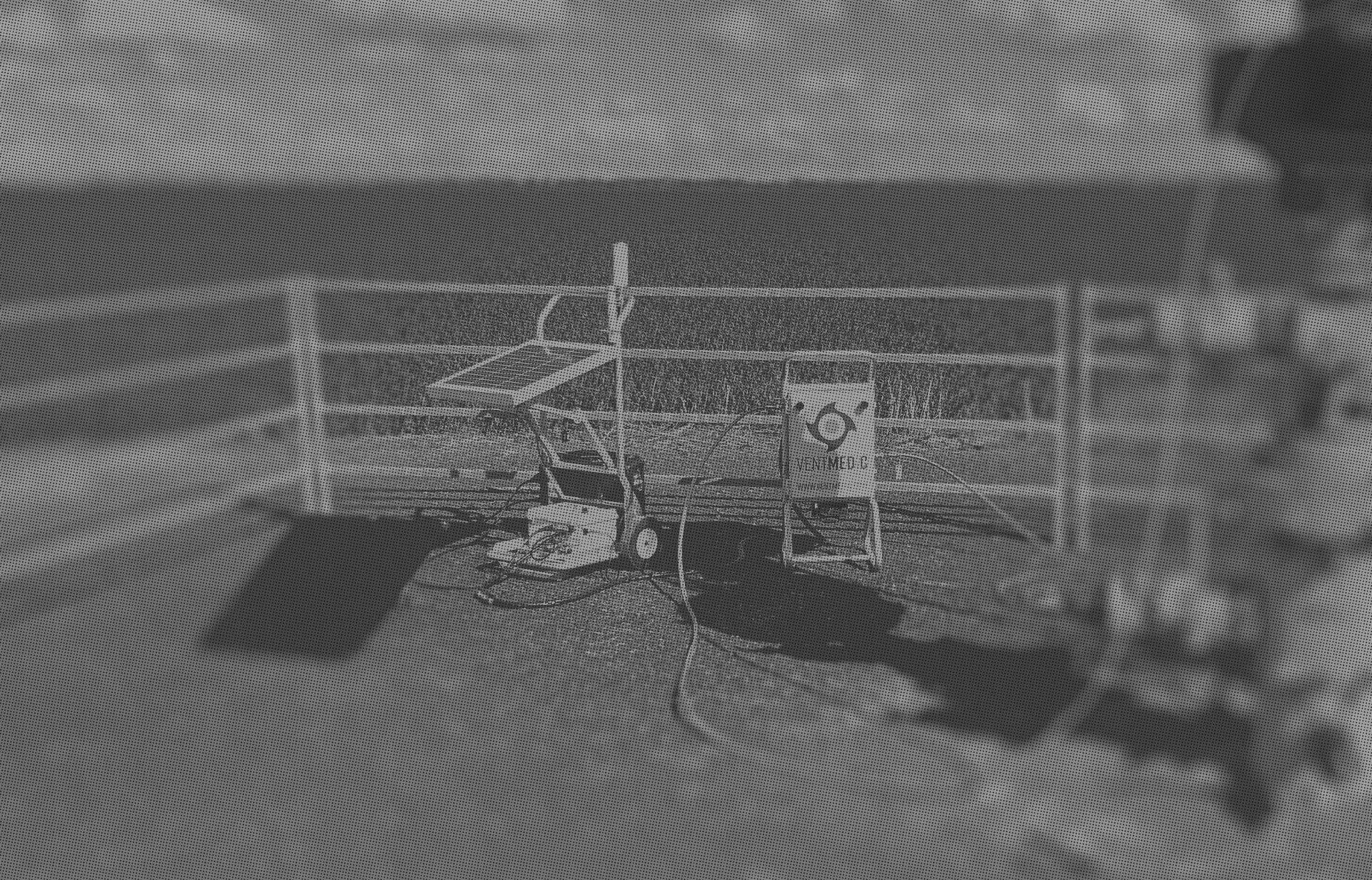
OnSpec conducted a 7-day monitoring period to measure gas flow, gas composition, fluid temperature and both shut-in and flowing pressure. Flow was analysed using a highly accurate linear differential flow meter, providing data both on flowing and shut in-in conditions. This monitoring data allowed the operator to make an assessment of downhole well barrier health, prior to rig arrival at site, saving the operator from mobilising a workover rig and wireline unit. The elimination of the work saved the operaotr approximately $700k and associated HSE risk related to the rig movement to and operations at a remote well site.




Contact
Onspec
Ready to Optimise? We’re here to assist - wherever you are in the world. Contact us today to learn more about our solutions.
Continue
Exploring



SolutionsSmart Tech. Field-Tested. Future-Focused.



AboutInnovation that holds Up. Service that shows up.